How to Get Your RV, Trailer, or Work Vehicle Ready for Storage Before Summer Ends in NWA
August in Northwest Arkansas is the last big push of summer. Families squeeze in final lake trips and camping weekends before school starts. Contractors and fleet operators wrap up peak-season jobs before the fall slowdown. And then, right around late August and into September, a lot of RVs, trailers, boats, and work vehicles go back into storage and sit until next year.
How you put a vehicle into storage matters a lot more than most people realize. Done right, you pull it back out in the spring in the same condition you left it. Done carelessly, you come back to flat tires, a dead battery, rodent damage, cracked seals, and a long list of repairs that could have been avoided in an afternoon.
At Prime Parking NWA, we see this every season. The customers who take a couple of hours to prep before storing rarely have problems. The ones who rush it do. This guide walks through what we recommend before anything goes into long-term storage at our Rogers facility.
End-of-Summer Storage Prep for RV Owners
RVs are the most involved to prep properly, but the steps are straightforward if you go through them systematically.
1. Drain and Winterize Water Systems Early
Arkansas winters are mild but unpredictable. A hard freeze in November can crack water lines and tank fittings in an RV that was not properly winterized. Do not wait until it cools down. If you are done with water-system use for the season, drain tanks, blow out lines, and add appropriate antifreeze to traps and low points while the weather is still cooperating.
2. Inspect and Seal the Roof
Summer heat is the number one cause of RV roof seal failure. The sealant around vents, slide toppers, and roof seams expands and contracts through hundreds of thermal cycles over a hot summer. Before you put the rig into storage, get on the roof and look at every seam and penetration. Any cracking, lifting, or soft spots need to be resealed before the fall rains start. A small leak that develops in October turns into a major interior water damage situation by spring.
3. Clean and Treat Interior Surfaces
Anything left inside an RV during storage becomes a problem over time. Food residue attracts rodents. Moisture from damp towels or a wet floor promotes mold. Clean everything out, wipe down all surfaces, and leave cabinet doors slightly open for airflow. A few moisture-absorbing products placed strategically inside will help prevent the musty smell that comes with a sealed-up RV sitting through winter.
4. Protect Tires and Batteries
Tire sidewalls crack when tires sit stationary under load for extended periods. Use tire covers if possible, and if you can, put the rig on jacks to take weight off the tires during long storage. For the battery, either connect a smart trickle charger or disconnect it and store it somewhere climate-controlled. A battery that dies during storage rarely comes back to full capacity.
5. Cover Slide Seals and Exterior Openings
Mice and squirrels will find any opening they can. Slide-out seals that have softened in the summer heat are a common entry point. Stuff steel wool and foam in any gap you can find, and check exhaust openings, vents, and the area around utility connections.
End-of-Summer Storage Prep for Trailers and Boats
Boats
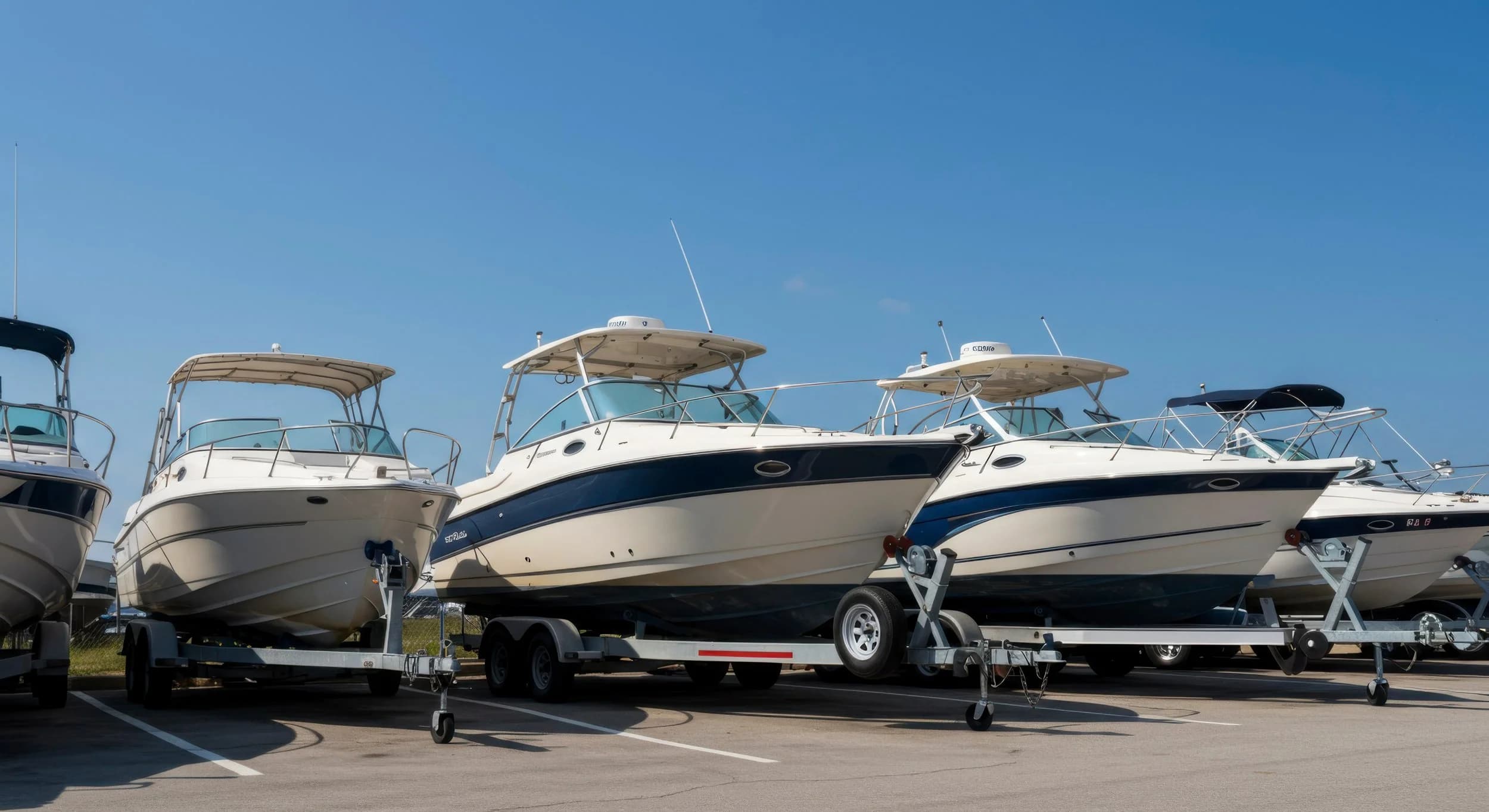
Rinse the hull and motor thoroughly after the last trip. Salt and mineral deposits from lake water accelerate corrosion on metal components. Fog the engine if it will sit for more than a couple of months. Check the trailer bearings for wear, grease if needed, and make sure the lights and safety chains are in good shape for spring. A cover over the boat protects the interior from UV and debris over the winter months.
Utility and Cargo Trailers
Clean out any remaining materials or debris. Ramps and gate mechanisms should be lubricated before storage. Check the decking for any soft spots or damage from summer use. Ball couplers and hitch components should be greased and covered to prevent rust.
Camper Trailers
The same principles that apply to RVs apply to camper trailers. Drain water systems, clean the interior, inspect the roof seals, and protect the tires. Pop-up campers specifically need the canvas inspected for any mold or mildew that developed during summer use. Addressing it now is a 30-minute job. Letting it sit until spring turns it into a replacement project.
End-of-Summer Storage Prep for Work Trucks and Commercial Vehicles
For NWA contractors and fleet operators, August is also a good time to evaluate your commercial vehicle storage situation heading into fall. Construction and service work tends to slow slightly after Labor Day, and this is a natural moment to reorganize.
Audit What You Are Actually Using
A lot of businesses accumulate vehicles and equipment over time without ever stopping to figure out what is actively earning its keep. August is a good time to walk through your fleet and identify anything that is sitting idle. Idle vehicles taking up space at your business location or in a residential driveway are a liability. Consolidating them into a centralized facility like Prime Parking NWA at a predictable monthly cost is cleaner and easier to manage.
Protect Tool Inventory Over the Off-Season
Work vans and trucks left on residential streets or in unsecured lots during the slower fall and winter months are a theft risk. Tools, materials, and equipment stored in service vehicles are expensive to replace and disruptive to operations when they go missing. Our facility is fully fenced with keypad-controlled gate access and 24/7 camera monitoring, which is a significant step up from a residential driveway or unsecured commercial lot.
Get Your Drivers Oriented Before Fall
If you are moving fleet vehicles into storage for the first time, the transition goes smoothly when everyone knows the access procedures before they need to use them. At Prime Parking NWA, gate access is available 24 hours a day, 7 days a week. Walk your team through the system and make sure everyone who needs access has it set up before the first vehicle comes in.
Why Where You Store Matters as Much as How You Prep
Good prep only goes so far if the facility itself works against you. Gravel lots create drainage problems during fall and winter rain. Water pools around tires and undercarriages. Mud and debris build up under vehicles. Moving things in and out in wet weather becomes a mess.
At Prime Parking NWA, the lot is fully paved, which means it drains properly and stays clean year-round. The facility is fully fenced, gated, and monitored around the clock. And because we offer month-to-month rentals, you are not paying for spring and summer months when your equipment is out and in use. You store when you need to, stop when you do not.
Reserve Your Space Before Fall Demand Picks Up
End-of-summer storage demand picks up fast after Labor Day in NWA. RV owners wrapping up the season, contractors winding down outdoor projects, and boat owners pulling off the lake all compete for the same spaces in September.
If you want to secure a space for this fall and winter, reserve online now or call us at (479) 640-7396. Getting set up in August means you move things in on your schedule rather than scrambling in September.